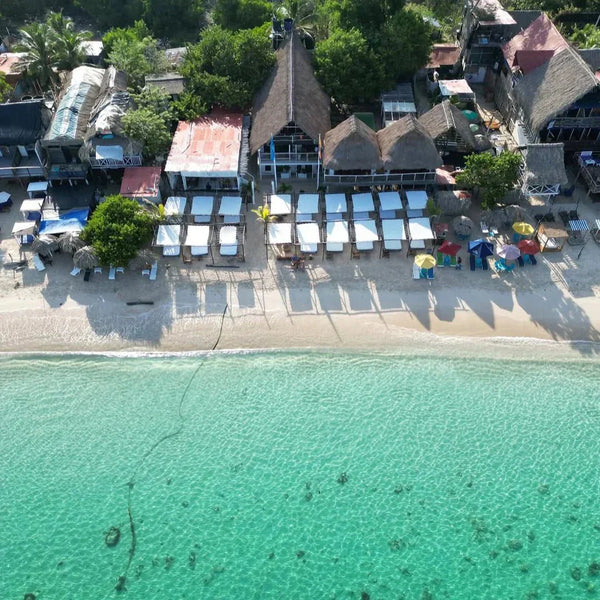
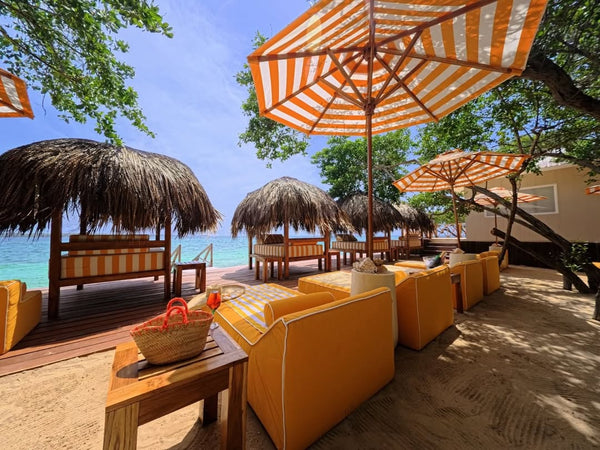
First Time in Cartagena: How to Arrive, Get Around & Stay Safe
Cartagena Colombia Travel Guide 2026 — Getting Around, Safety, Beaches & Island Trips
This Cartagena Colombia travel guide is designed for first-time visitors who want practical answers before they arrive: how to get around Cartagena, where to stay, which beaches are worth it, how to reach the islands, and what safety tips actually matter for tourists.
Cartagena is more walkable than most travelers expect, more connected than it looks, and more accessible to the islands than any other city on Colombia's Caribbean coast. But traveling to Cartagena Colombia efficiently — especially if you want beach clubs, island trips, private boats, or safe transport from the airport — requires local knowledge that no travel app gives you.
This guide covers everything: Cartagena arrival tips, how to move around the city, which urban beaches are worth visiting and which to skip, how to get to the islands the right way, the best time to travel to Cartagena Colombia, and Cartagena safety tips for tourists. Written by Antoni Mercado, a Cartagena native who has navigated every corner of this city for years.
The best ways to get around Cartagena are Uber (fixed price, most reliable), InDriver (negotiable, cheaper), and walking in the Historic Center. The Transcaribe costs COP $3,900 (~$0.95 USD) and connects the airport, Bocagrande, and the city center. Urban beaches are accessible but not the reason to visit Cartagena — the islands are.
Cartagena Travel Guide — First-Time Visitor Snapshot
For a first time in Cartagena guide, plan around three zones: the Historic Center and Getsemaní for culture and nightlife, Bocagrande or Castillogrande for hotels and easy transport, and the islands for the best beaches. Use Uber or InDriver for most rides, walk inside the walled city, book island trips in advance, and avoid relying on urban beaches as your main Caribbean beach day.
| Travel Question | Best Answer for First Timers | Internal Planning Link |
|---|---|---|
| How to get around in Cartagena Colombia | Walk inside the Historic Center; use Uber or InDriver for hotels, airport, Bocagrande, Manga, and pier transfers. | Transport options below |
| Is it safe to travel to Cartagena Colombia? | Yes in the main tourist areas with normal city precautions. Stay in populated areas, use app-based transport, and avoid unmarked taxis or informal tours. | Safety section below |
| Best time to travel to Cartagena Colombia | December to March has the best island weather and clearest water; April to June and September to November can be better value with fewer crowds. | Season guide below |
| Cartagena island trips for first timers | Choose Rosario Islands for turquoise water, Tierra Bomba for the closest beach clubs, and Barú for land access or luxury resorts. | Rosario Islands day trips |
| Cartagena arrival tips | Use Uber or the official airport taxi stand, keep small COP cash, and confirm your pier gate before island trips. | Arrival tips below |
How to Get Around in Cartagena Colombia — Every Option Explained
Cartagena has Uber, InDriver, regulated taxis, and the Transcaribe mass transit system. For tourists, Uber is the safest and most transparent option. Taxis require fare negotiation before boarding — always agree on price first. Mototaxis are not recommended for tourist zones.
The most reliable option for tourists. The price is set by the system before you confirm — no negotiation, no surprises. Pay by card or cash. The app works the same as in the US.
Available throughout Cartagena including airport, Bocagrande, Historic Center, and Getsemaní. Driver ratings and vehicle photos give you full transparency before boarding.
Typical fares: $2–$8 USD depending on distanceYou enter your origin and destination and the app shows an estimated fare. Drivers see your request and can accept the price or counter with a higher offer. If you accept, they pick you up.
Payment accepted in cash or via Colombian bank transfer (Nequi) — very common among locals. Can be slightly cheaper than Uber if you negotiate well. Requires more patience than Uber.
Typically 10–20% cheaper than UberCartagena taxis operate with an official 2026 fare schedule but it is not always followed in practice. Always agree on the fare before you get in — this is non-negotiable. No meters are used.
Widely available throughout the city. White taxis with official markings are the safest option. From the airport, use the official taxi stand — not informal drivers approaching you inside the terminal.
Typical fares: COP $8,000–$25,000 (~$2–$6 USD)Cartagena's mass rapid transit system — articulated buses with dedicated lanes throughout the city. Connects the airport (nearest stop: Crespo neighborhood), Bocagrande, Centro, La Matuna, and the bus terminal.
Fare is COP $3,900 (~$0.95 USD) per trip, flat rate on all routes. You must purchase a rechargeable card (COP $4,200 one-time cost). Cash and credit cards are not accepted — only the Transcaribe card.
~$0.95 USD / trip · Card required · No cash acceptedCartagena Arrival Tips — Airport, Cash, SIM Cards & First Ride
The easiest Cartagena arrival plan is simple: request Uber from the airport app zone or use the official taxi stand, avoid informal drivers inside the terminal, carry small Colombian pesos for tips and pier fees, and save your hotel address offline. If you are arriving for an island day the next morning, confirm your departure pier, gate number, and required cash the night before.
- Airport to Historic Center: 10–15 minutes depending on traffic. Uber and official taxis are the simplest options.
- Airport to Bocagrande: 15–25 minutes depending on traffic along Avenida Santander.
- Cash tip: Keep COP $50,000–$100,000 in small bills for taxis, porters, tips, and island pier fees.
- SIM/eSIM: If your roaming is weak, buy an eSIM before arrival or a local SIM in Bocagrande, Centro, or a shopping mall.
- First night: Stay in the Historic Center, Getsemaní, Bocagrande, Castillogrande, or Manga if you want easy access to restaurants and tours.
Transcaribe — Key Routes for Tourists
Transcaribe costs COP $3,900 (~$0.95 USD) per trip. From the city center to the airport takes approximately 15 minutes. From Bocagrande to the airport takes approximately 25 minutes with a transfer at the Centro station. Note: there is no stop directly at the airport — the nearest stop is in the Crespo neighborhood.
Key Transcaribe routes for tourists
The Transcaribe has two types of vehicles: the large articulated bus (the main line, with exclusive dedicated lanes) and smaller feeder buses (alimentadores) that circulate through neighborhoods and connect to the main articulated stations. If you're in a residential area, a feeder bus picks you up and drops you at the nearest main station — then you transfer to the articulated. The system is faster than it looks because it has its own lane and doesn't get stuck in traffic.
Mototaxis are widely used by locals in residential neighborhoods, but they are restricted from entering key tourist zones — including the Historic Center (Ciudad Amurallada) and Bocagrande — under Cartagena's traffic regulations. This means a mototaxi may drop you at the edge of your destination rather than at the door. For tourist use, stick to Uber, InDriver, or taxis.
DiDi (the same app as regular DiDi rides) offers a motorcycle option called DiDi Moto — you request a ride on a motorcycle, same app interface. Cheaper and faster than a car for short distances in areas where motos are allowed. Same restriction applies: not permitted in the Historic Center or Bocagrande tourist zones.
Walking the Historic Center — Everything Is Closer Than You Think
Cartagena's Historic Center (Ciudad Amurallada) is compact and best explored on foot. La Bodeguita to the Clock Tower is a 4-minute walk. The Clock Tower to Getsemaní is 5–8 minutes. Most tourist attractions in the walled city are within 15 minutes of each other on foot.
Walking distances — key tourist routes
The Historic Center is genuinely safe and walkable during the day and evening. The streets inside the walled city are well-lit, populated with tourists and locals, and safe to explore on foot. Use common sense after midnight in the quieter alleys — the same rules you'd apply in any city. Avoid poorly lit areas on the outer edges of Getsemaní late at night. But during the day and early evening? Walk everywhere — that's how you actually experience Cartagena.
Cartagena Tourism Guide — Where to Base Yourself
For most travelers, the best Cartagena guide starts with choosing the right base. Stay in the Historic Center for restaurants and culture, Getsemaní for nightlife and boutique hotels, Bocagrande for high-rise hotels and beach access, Castillogrande for a quieter waterfront stay, and Manga for villas, marinas, and private boat access.
| Area | Best For | Transport Notes |
|---|---|---|
| Historic Center | First timers, restaurants, culture, romantic stays, walking tours. | Best area for walking; close to La Bodeguita pier for Rosario Islands. |
| Getsemaní | Nightlife, street art, boutique hotels, younger travelers. | Walkable to Centro; use Uber late at night from outer streets. |
| Bocagrande | Large hotels, easier prices, urban beach access, families. | 10 minutes by Uber to Centro and La Bodeguita. |
| Castillogrande | Quiet waterfront, calmer beach, Tierra Bomba departures. | Best base if you plan Makani, Eteka, Fénix, or Tierra Bomba beach clubs. |
| Manga | Private villas, marinas, groups, private boats. | Good for yacht and catamaran departures; use Uber to Centro. |
Cartagena's Urban Beaches — Honest Guide for Tourists
Cartagena's urban beaches are swimmable but not what most international tourists imagine when they picture the Caribbean. The sand is dark, the water is less clear than the islands, and the waves can be strong — sometimes with coastal warning flags. If you're visiting Cartagena, go to the islands. The urban beaches are a local experience, not a destination in themselves.
That said, the beaches serve a real purpose — and knowing which one fits your plans can save you a wasted afternoon. Here's the honest breakdown:

The most accessible urban beach — located in Cartagena's main tourist neighborhood. Vendor presence has decreased significantly in recent years, making it a calmer experience than before. Good for a quick swim, a sunset walk, or if you simply don't have time to reach the islands. Water is not turquoise — it's the Caribbean bay. Sand is dark. Waves can be rough.
Best for: A quick dip, sunset photos, convenience from Bocagrande hotels.

Quieter and calmer than Bocagrande — the water on this side is more sheltered and passive. Less crowded, more local atmosphere. Strategically important: this is where the boats depart for Tierra Bomba beach clubs. If you're heading to Makani, Eteka, Kabanna, or any Tierra Bomba club, your departure point is here — just behind Hospital de Bocagrande.
Best for: Calmer swim, locals scene, Tierra Bomba departures.

North of the Historic Center, close to the airport. Less visited by international tourists — which means a more authentic local atmosphere. Some swimming areas available. About 10 minutes from Bocagrande by taxi. Not the first choice for most travelers but valid if you want fewer crowds and a more neighborhood feel.
Best for: Avoiding tourist crowds, local atmosphere, travelers staying near the airport.

The most authentically Caribbean of Cartagena's urban beaches. Relaxed, tropical, local — fresh seafood, live local music (champeta, vallenato), and an atmosphere that feels completely different from the tourist zones. About 25 minutes from Bocagrande. Tourist Police have a permanent presence at Playa Azul.
Important: Roads are narrow — coordinate your transport in advance. A taxi or Uber is the recommended approach; request your return ride before you settle in.
Best for: Authentic experience, local food, Caribbean atmosphere, travelers who have already seen the islands.

Located in Cartagena's northern zone, Manzanillo del Mar is a secluded beach that attracts locals seeking disconnection away from the city. There are some basic beach clubs — comfortable but nothing luxurious. The setting is genuinely peaceful and isolated.
Important: Not recommended for first-time visitors or tourists without their own transport. Getting there by Uber can involve significant wait times in this area, and navigation is unfamiliar. Best reserved for travelers who know Cartagena well or have a private vehicle.
Best for: Experienced Cartagena visitors, locals, travelers seeking genuine solitude with their own transport.
If you're visiting Cartagena, go to the islands first. The urban beaches are for locals — they serve a purpose and some of them are genuinely enjoyable, but they are not the Caribbean postcard image that most travelers picture. The turquoise water, the coral reefs, the beach club experience — that's 45 minutes away by speedboat. The urban beaches are for when you're already there, it's your last day, and you don't have time for the full island trip. La Boquilla is the exception — that's worth going to specifically for the cultural experience.
Getting to the Islands — Your Options by Budget and Style
To reach the Rosario Islands or Tierra Bomba you must go by boat — there is no land access. Barú can be reached by land transfer (van, ~50 min) or by boat. Hotel Las Islas in Barú is the only beach destination near Cartagena accessible by private helicopter.
| Destination | How to Get There | Travel Time | Departure Point | Cost |
|---|---|---|---|---|
| Rosario Islands | Speedboat onlyIncluded in beach club day pass | 45–50 min | Muelle La BodeguitaHistoric Center, El Centro | Included in day pass+ ~$10 USD pier fees in cash |
| Tierra Bomba | Speedboat onlyIncluded in beach club day pass | 10–20 min | Castillo GrandeBehind Hospital de Bocagrande | Included in day passNo pier fees |
| Barú / Playa Blanca | Land transfer (van) or speedboat | 50 min by van45–60 min by boat | Convention Center (van)La Bodeguita (boat) | Included in day passNo pier fees |
| Private boat rental | Your own chartered speedboatFull flexibility, your itinerary | You decide | Arranged at booking | Contact us for ratesBest for groups of 6+ |
| Hotel Las Islas (Barú) | Van transfer, speedboat, or helicopter | 10–15 min by helicopter | Private helipad | See day pass → |
The Island Transport Ladder — From $0.95 to Premium
Every way to get to the water near Cartagena, organized by price and experience level:
Hotel Las Islas in Barú is the only beach club and resort near Cartagena with its own private helipad. You can arrive by land transfer (50 min van), by speedboat, or by private helicopter — landing directly at the property in 10–15 minutes from Cartagena. A MICHELIN-listed boutique hotel that accepts day visitors. Private beach, infinity pool, five-star service, no national park fees.
Book the Hotel Las Islas Experience →Private Boats, Yachts & Catamarans — Explore the Islands on Your Terms
A private boat rental gives you complete flexibility to visit multiple islands, set your own schedule, and create a custom itinerary. Best for groups of 6 or more. You can visit beach clubs along the way, anchor in open water, snorkel, and return whenever you want.
A beach club day pass is the right choice when you want a structured, all-inclusive day — everything handled, boat and lunch included. A private boat is the right choice when you want freedom. Both experiences are completely different and both are worth doing.
Private speedboat
Visit multiple islands
Your schedule, your pace
Combine with beach club stops
Best for groups of 6+
Great for celebrations
Yacht or catamaran
Premium on-water experience
More space and comfort
Ideal for corporate events
Sunset or overnight charters
Bachelorette & birthday trips
Planning a Private Boat Experience?
Groups, celebrations, custom itineraries across Rosario Islands, Tierra Bomba, and Barú. Tell us your dates and group size — we handle everything.
View Private Boat Options Chat on WhatsAppBest Time to Travel to Cartagena Colombia
The best time to travel to Cartagena Colombia is December through March for the calmest seas, clearest island water, and most reliable beach club days. July and August are also popular. For better prices and fewer crowds, travel in April, May, September, October, or November, but expect occasional rain and more humid afternoons.
| Season | What to Expect | Best For |
|---|---|---|
| December–March | Dry season, peak demand, clearer water around the Rosario Islands, stronger prices. | First timers, honeymooners, luxury beach clubs, private boats. |
| April–June | Warmer, mixed weather, fewer crowds, better availability. | Value travelers, flexible itineraries, last-minute island trips. |
| July–August | Second high season with families and international visitors. | Family travel, summer vacations, group trips. |
| September–November | Rainier months, humid afternoons, lower hotel pressure, occasional weather changes. | Lower prices, travelers who can adjust plans, cultural city days. |
Travel Packages to Cartagena Colombia — What Should Be Included?
When comparing travel packages to Cartagena Colombia, look beyond the hotel. A useful package should include airport arrival support, safe transport, at least one island day trip, restaurant or nightlife guidance, and a clear plan for getting around Cartagena. For beach-focused trips, combine one Rosario Islands day, one Tierra Bomba beach club, and one flexible city day instead of booking only urban beaches.
Is It Safe to Travel to Cartagena Colombia? What You Actually Need to Know
Cartagena's Historic Center is safe and walkable for tourists. The emergency number is 123 (24 hours, all emergencies). The Tourist Attention Center (CAT) is at Parque Centenario and offers bilingual support. Tourist Police points are located at La Bodeguita pier, Bocagrande beach, and the airport.
For searches like is it safe to travel to Cartagena Colombia right now, the practical answer is that the main visitor zones remain the areas to prioritize: Centro, San Diego, Getsemaní, Bocagrande, Castillogrande, Manga, and organized island departures. Most problems tourists face are not violent crime; they are overcharging, informal vendors, unclear taxi pricing, and booking with unverified operators.
Available 24 hours. Police, ambulance, fire. Works from any Colombian number including roaming.
Bilingual staff, legal advisory, tourist incident reporting. Central Cartagena, Historic Center.
For complaints about defective service, overcharging, or misleading information from tourism operators.
For theft or fraud — file online with the Attorney General's Office. Required for insurance claims.
Tourist Police points are also located at: Rafael Núñez Airport (domestic arrivals), La Bodeguita Pier, Bocagrande Beach (Malecón Avenue, in front of Cartagena Plaza Hotel), and Playa Azul La Boquilla.
Cartagena's Historic Center is genuinely safe for tourists — it's a UNESCO World Heritage Site with a strong tourist police presence and well-lit streets. Common sense applies: don't flash expensive jewelry late at night, use Uber instead of unmarked taxis, and avoid the poorly lit outer edges of Getsemaní after midnight. But during the day and early evening, walk freely. That's the honest assessment from someone who grew up here.
Frequently Asked Questions — Getting Around Cartagena
Yes — Uber operates normally in Cartagena. Prices are set by the system before you confirm the ride, so there's no negotiation. You can pay by card or cash. Available airport-wide, in Bocagrande, the Historic Center, and throughout the city. It's the most transparent and reliable option for tourists.
The airport is approximately 1.5 km from the city center — one of the closest airports to a city center in Colombia. A taxi should cost approximately COP $15,000–$25,000 (~$4–$6 USD). Always agree on the price before getting in — Cartagena taxis do not use meters. Uber from the airport is typically $3–5 USD with a fixed price shown before you confirm.
You enter your pickup location and destination and the app shows an estimated fare. Drivers in the area see your request and either accept the estimated price or send a counteroffer asking for more. If you accept their offer, they pick you up. Payment can be made in cash or via Nequi — a Colombian mobile payment platform widely used by locals. InDriver tends to be slightly cheaper than Uber but requires more patience.
Yes — any visitor can use the Transcaribe. You need to purchase a rechargeable card (COP $4,200 one-time cost) at any Transcaribe station. Cash and credit cards are not accepted for fares — only the Transcaribe card. Each trip costs COP $3,900 (~$0.95 USD) on all routes. The system connects the airport (Crespo stop), Bocagrande, Centro (La Matuna and Bodeguita stations), and the bus terminal. Feeder buses (alimentadores) circulate through neighborhoods and connect to the main articulated line stations.
They serve a purpose — but they are not the Caribbean postcard image most international tourists imagine. The sand is dark, the water is not turquoise, and waves can be rough with coastal warning flags. Bocagrande is convenient if you're staying there. La Boquilla is genuinely worth visiting for the authentic Caribbean atmosphere, fresh seafood, and local music. But if you're visiting Cartagena for the beach, the islands are the destination — 45 minutes by speedboat and a completely different world.
Yes — Barú is a peninsula connected to the mainland, so it can be reached by land. A private van transfer from the Convention Center in Cartagena takes approximately 50 minutes. This is the route used for Playa Blanca and nearby beach clubs including Nena Beach Club and Sabai. Hotel Las Islas can also be reached by land, speedboat, or by private helicopter — it's the only destination near Cartagena with its own helipad. See the Hotel Las Islas day pass →
The Historic Center and Bocagrande are safe and well-patrolled tourist zones. The emergency number is 123 (24 hours). The Tourist Attention Center at Parque Centenario offers bilingual support. Tourist Police points are at La Bodeguita pier, Bocagrande beach, and the airport. Standard precautions apply: use Uber instead of unmarked taxis, don't flash valuables late at night, and stay in populated areas after midnight. Getsemaní is increasingly safe but apply extra caution in the darker outer streets late at night.
Boats for Tierra Bomba beach clubs depart from Castillo Grande — located behind Hospital de Bocagrande. This is different from the Rosario Islands departure point (Muelle La Bodeguita). The crossing to Tierra Bomba is only 10–20 minutes. Departure times are flexible — 9am, 10am, or 11am depending on the club — and there are no mandatory pier fees for Tierra Bomba. Browse all Tierra Bomba beach clubs →
For most tourists, yes — especially in the Historic Center, San Diego, Getsemaní, Bocagrande, Castillogrande, Manga, the airport corridor, and organized island departure points. Use app-based transport, avoid unmarked taxis, do not accept informal tours from street sellers, and keep valuables discreet at night. The most common tourist issues are overcharging and unclear pricing, not safety problems inside the main tourist zones.
December to March is the best time for calm seas, clearer Rosario Islands water, and the most reliable beach club days. July and August are also strong travel months. April to June and September to November can be better for lower crowds and better availability, but rain and humidity are more likely.
A good first time in Cartagena guide should include where to stay, airport arrival tips, how to get around Cartagena, safety tips for tourists, which city beaches are worth visiting, how to book island trips, when to visit the Rosario Islands, and how much cash to carry for pier fees, taxis, and tips.
You do not need to rent a car in Cartagena. Walk inside the Historic Center and Getsemaní, use Uber or InDriver for longer rides, take official taxis only after agreeing on the fare, and use organized boat departures for Tierra Bomba, Barú, and the Rosario Islands. Renting a car is usually unnecessary for first-time visitors.
They can be worth it if the package includes verified island experiences, hotel-to-pier transport, clear cancellation terms, and local support. Avoid packages that only bundle generic city tours or vague beach trips. The best Cartagena travel packages combine a city day, one Rosario Islands or Barú day, one Tierra Bomba beach club, and private transport when needed.
For first timers, choose the Rosario Islands for the clearest water and classic Caribbean photos, Tierra Bomba for the easiest and closest beach club day, Barú for land access and resort-style experiences, or a private boat if you are traveling with a group and want to visit multiple stops in one day.
Need Help Planning Your Cartagena Travel Guide, Transport or Island Day?
From airport arrival to hotel pickup, island booking, private boat planning and safe return transport — we coordinate the entire Cartagena travel plan. One message is enough.


 Top Rated
 Most Exclusive
 Luxury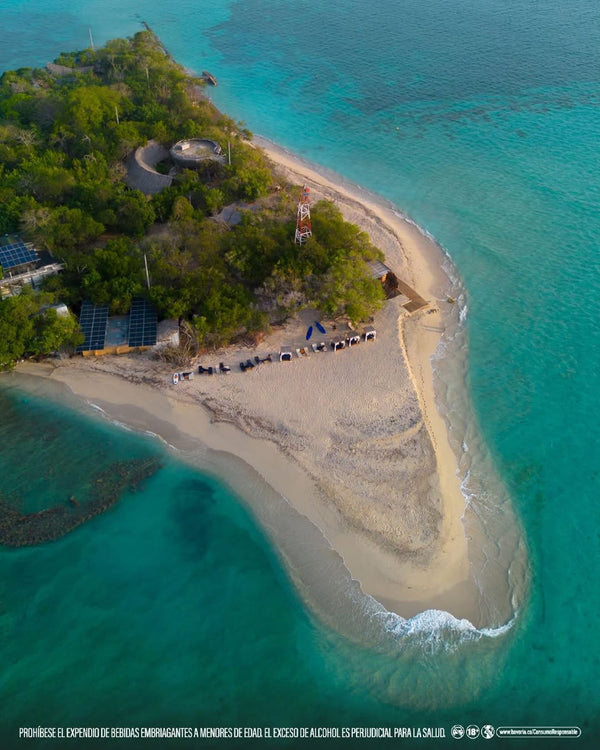
Discover Corona Island Cartagena, one of the most exclusive adults-only day passes in the Rosario Islands. Enjoy unli...
Read guide